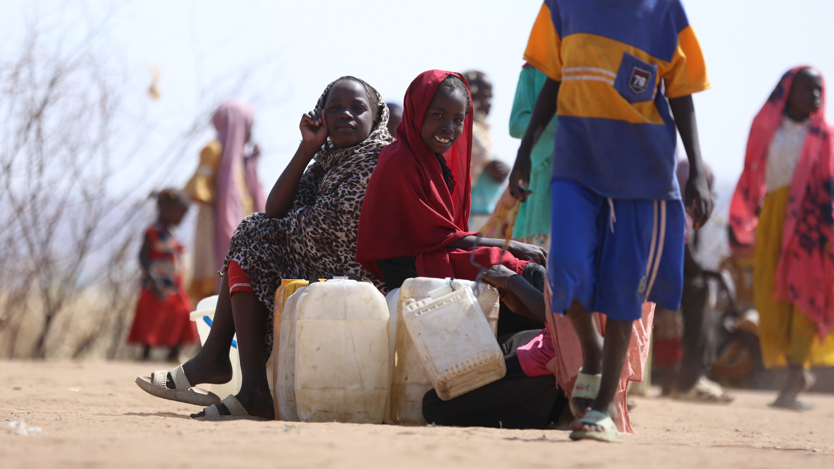
Tawila, Darfur. November 2025. Between 80,000 and 100,000 people were forced to flee the area around El Fasher, Darfur, in October and November 2025. Sida provided support through the UN’s Sidan Humanitarian Fund, which gave severely affected people access to clean water, food, healthcare and psychosocial support. In 2025 and 2026, Sudan is the country receiving the most humanitarian aid through Sida.
How Sida’s humanitarian aid works
Sida works with humanitarian partnerorganisations in the world’s most severe humanitarian crises. These include civil society organisations, UN agencies and the Red Cross and Red Crescent movement. Sida also supports organisations working to improve and strengthen how the humanitarian system delivers aid.
All humanitarian work incorporates a gender equality perspective and takes into account the different needs and circumstances of vulnerable people. The work is guided by humanitarian principles:
- humanity
- impartiality
- neutrality
- independence
This means that support always goes to those who need it most – regardless of who they are, what they believe in or where they are.
Sida’s humanitarian work is guided by the Government’s strategy. Based on this strategy, Sida designs and allocates the year’s humanitarian aid to various partner organisations. The allocation of funds is based on a global analysis of people’s needs in the crises currently unfolding around the world.
Sida also takes into account how much funding other humanitarian donors provide and the capacity of the country in crisis to assist people in need of support. The analyses are impartial and based on humanitarian principles, ensuring that resources are directed where the needs are greatest.
Sida prioritises:
Crises where a large proportion of people have serious humanitarian needs and low funding from donors.
Sida’s humanitarian aid is guided by the Government’s strategy:
Sida’s humanitarian support forms part of Sweden’s humanitarian aid. The Government also decides on its own humanitarian support.
Emergency aid to save lives
Sida’s partners provide people in crisis with access to aid to meet their most urgent needs. This includes clean water, nutrition and food, healthcare and temporary shelter during the most critical phase.
Protecting people during conflicts and disasters
Sida’s humanitarian partners protect people in crises from violence and abuse, for example by providing safe spaces for children and support for women and girls.
Common risks include sexual violence, attacks on civilians, child marriage and the dangers of displacement. In conflicts hospitals, schools and other civilian infrastructure are often attacked.
Increased capacity and efficiency in the humanitarian system
The humanitarian system brings together organisations that analyse people’s needs and plan responses to crises. Sida supports this work to ensure that aid reaches the most vulnerable.
Reaching inaccessible and complex environments
Assisting people in hard-to-reach areas requires negotiations, security risk management and local partnerships. Sida strengthens its support for organisations that can operate in these environments.
Flexible funding through the RRM in sudden and rapidly deteriorating crises
Through the Rapid Response Mechanism (RRM), Sida can quickly provide flexible funding in acute or rapidly deteriorating crises.
Humanitarian aid is emergency support for people affected by conflicts and acute crises such as natural disasters and extreme weather.
Humanitarian aid is needed to save lives and alleviate suffering when people are affected by conflicts, natural disasters, extreme weather and other crises. Humanitarian aid also gives people a chance to recover. Through humanitarian aid, emergency assistance can reach people in the world’s most difficult situations, whilst safeguarding their fundamental rights.
Sida's allocation of humanitarian aid 2026
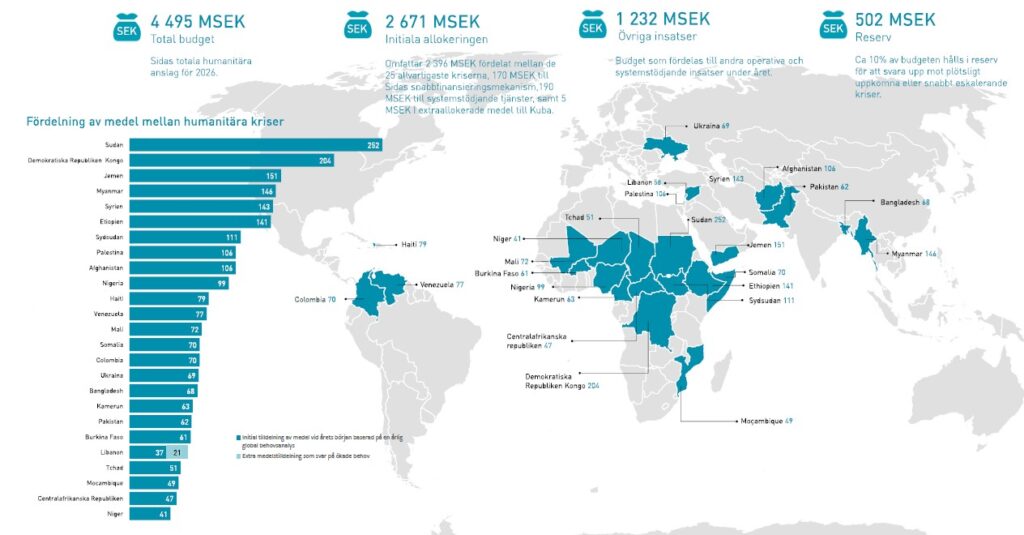
Crises on the scale of [amount of aid]
Sida’s budget for humanitarian aid in 2026 is nearly 4.5 billion Swedish kronor. At the start of the year, 60 per cent of the funds will be allocated to the 25 most serious humanitarian crises.
This includes SEK 170 million in flexible funds that can be used when urgent needs arise. The remaining support goes towards other initiatives, such as strengthening local organisations and reducing the risk of violence and abuse.
The funding is distributed among nine humanitarian partner organisations:
- UN Humanitarian Country Funds
- UN Refugee Agency (UNHCR)
- UN Children’s Fund (UNICEF),
- World Food Programme (WFP)
- Action Against Hunger
- International Committee of the Red Cross (ICRC)
- International Rescue Committee (IRC)
- Norwegian Refugee Council (NRC)
- Première Urgence Internationale
Sida may also provide further support during the year through the Rapid Response Mechanism (RRM), which enables rapid and flexible funding in the event of acute or worsening crises.
Read more about why support is provided and which organisations receive support in our crisis analysis:
Sida may also provide further support during the year through the Rapid Response Mechanism (RRM), which enables rapid and flexible funding in the event of acute or worsening crises.
Read more about why support is provided and which organisations receive support in our crisis analysis:
Sida may also provide further support during the year through the Rapid Response Mechanism (RRM), which enables rapid and flexible funding in the event of acute or worsening crises.
Read more about why support is provided and which organisations receive support in our crisis analysis:
Sida may also provide further support during the year through the Rapid Response Mechanism (RRM), which enables rapid and flexible funding in the event of acute or worsening crises.
Read more about why support is provided and which organisations receive support in our crisis analysis:
Sida may also provide further support during the year through the Rapid Response Mechanism (RRM), which enables rapid and flexible funding in the event of acute or worsening crises.
Read more about why support is provided and which organisations receive support in our crisis analysis:
Sida may also provide further support during the year through the Rapid Response Mechanism (RRM), which enables rapid and flexible funding in the event of acute or worsening crises.
Read more about why support is provided and which organisations receive support in our crisis analysis:
Sida may also provide further support during the year through the Rapid Response Mechanism (RRM), which enables rapid and flexible funding in the event of acute or worsening crises.
Read more about why support is provided and which organisations receive support in our crisis analysis:
Sida may also provide further support during the year through the Rapid Response Mechanism (RRM), which enables rapid and flexible funding in the event of acute or worsening crises.
Read more about why support is provided and which organisations receive support in our crisis analysis:
Sida may also provide further support during the year through the Rapid Response Mechanism (RRM), which enables rapid and flexible funding in the event of acute or worsening crises.
Read more about why support is provided and which organisations receive support in our crisis analysis:
Sida may also provide further support during the year through the Rapid Response Mechanism (RRM), which enables rapid and flexible funding in the event of acute or worsening crises.
Read more about why support is provided and which organisations receive support in our crisis analysis:
Sida may also provide further support during the year through the Rapid Response Mechanism (RRM), which enables rapid and flexible funding in the event of acute or worsening crises.
Read more about why support is provided and which organisations receive support in our crisis analysis:
Sida may also provide further support during the year through the Rapid Response Mechanism (RRM), which enables rapid and flexible funding in the event of acute or worsening crises.
Read more about why support is provided and which organisations receive support in our crisis analysis:
Sida may also provide further support during the year through the Rapid Response Mechanism (RRM), which enables rapid and flexible funding in the event of acute or worsening crises.
Read more about why support is provided and which organisations receive support in our crisis analysis:
Sida may also provide further support during the year through the Rapid Response Mechanism (RRM), which enables rapid and flexible funding in the event of acute or worsening crises.
Read more about why support is provided and which organisations receive support in our crisis analysis:
Sida may also provide further support during the year through the Rapid Response Mechanism (RRM), which enables rapid and flexible funding in the event of acute or worsening crises.
Read more about why support is provided and which organisations receive support in our crisis analysis:
Sida may also provide further support during the year through the Rapid Response Mechanism (RRM), which enables rapid and flexible funding in the event of acute or worsening crises.
Read more about why support is provided and which organisations receive support in our crisis analysis:
Sida may also provide further support during the year through the Rapid Response Mechanism (RRM), which enables rapid and flexible funding in the event of acute or worsening crises.
Read more about why support is provided and which organisations receive support in our crisis analysis:
Sida may also provide further support during the year through the Rapid Response Mechanism (RRM), which enables rapid and flexible funding in the event of acute or worsening crises.
Read more about why support is provided and which organisations receive support in our crisis analysis:
Sida may also provide further support during the year through the Rapid Response Mechanism (RRM), which enables rapid and flexible funding in the event of acute or worsening crises.
Read more about why support is provided and which organisations receive support in our crisis analysis:
Sida may also provide further support during the year through the Rapid Response Mechanism (RRM), which enables rapid and flexible funding in the event of acute or worsening crises.
Read more about why support is provided and which organisations receive support in our crisis analysis:
Sida may also provide further support during the year through the Rapid Response Mechanism (RRM), which enables rapid and flexible funding in the event of acute or worsening crises.
Read more about why support is provided and which organisations receive support in our crisis analysis:
Sida may also provide further support during the year through the Rapid Response Mechanism (RRM), which enables rapid and flexible funding in the event of acute or worsening crises.
Read more about why support is provided and which organisations receive support in our crisis analysis:
Sida may also provide further support during the year through the Rapid Response Mechanism (RRM), which enables rapid and flexible funding in the event of acute or worsening crises.
Read more about why support is provided and which organisations receive support in our crisis analysis:
Sida may also provide further support during the year through the Rapid Response Mechanism (RRM), which enables rapid and flexible funding in the event of acute or worsening crises.
Read more about why support is provided and which organisations receive support in our crisis analysis:
Sida may also provide further support during the year through the Rapid Response Mechanism (RRM), which enables rapid and flexible funding in the event of acute or worsening crises.
Read more about why support is provided and which organisations receive support in our crisis analysis:
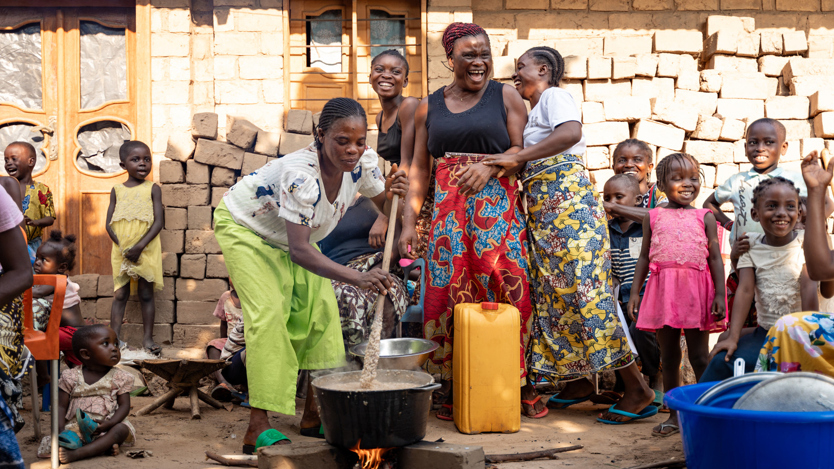
Rapid, vital support: “a chance for new hope”. After being forced to flee the violence in western Democratic Republic of the Congo. Families have been given a new lease of life through an agricultural project in Kwamouth. With new farming methods and communal fields, they and other families can begin to build a more independent and dignified life. Sida has supported the UN’s Country-Based Pooled Funds since 1999.